Free ethical hacking tools are essential for anyone starting their journey into cybersecurity. Whether you’re a curious beginner, a college student, or an aspiring ethical hacker, having access to powerful yet free tools can give you a solid foundation. In a world where digital threats evolve every second, learning how hackers operate—and how to stop them—starts with hands-on experience using tools designed to scan, analyze, and test vulnerabilities. Let’s explore the most trusted and trending free ethical hacking tools in 2025 that every beginner must know.
Why Free Ethical Hacking Tools Matter for Beginners?
When starting in cybersecurity, you don’t need expensive software to learn. Free ethical hacking tools give you the power to:
- Understand real-world cyber threats
- Practice network scanning and vulnerability analysis
- Simulate phishing or sniffing attacks in controlled environments
- Prepare for certification exams like CEH | CND | SOC Analyst | CompTIA Security+,and many more.
And the best part? These tools are community-supported, regularly updated, and widely used by professionals, which means you’re learning industry-relevant skills from the beginning.
Top 10 Free Ethical Hacking Tools Every Beginner Should Explore !
1. Wireshark – The Network Sniffer
One of the most popular and beginner-friendly free ethical hacking tools, Wireshark lets you capture and analyze packets in real-time. Whether you’re monitoring suspicious traffic or debugging a network issue, Wireshark helps you see what’s happening behind the scenes.

Why Beginners Love It:
- Clean graphical interface
- Easy filter options
- Rich documentation and tutorials
2. Nmap – The Network Mapper
Nmap is a powerful network scanning tool that helps ethical hackers discover hosts and services in a network. It’s ideal for footprinting, port scanning, and vulnerability detection.
Highlights:
- Fast scanning
- Support for large networks
- Nmap Scripting Engine (NSE) for automation
3. Zphisher – Phishing Made Simple (For Educational Use Only)
Zphisher is a beginner-friendly social engineering tool used to simulate phishing attacks. It clones popular websites like Instagram, Facebook, or Netflix to show how attackers lure users.

Use with caution: Only in a lab or with permission. It’s perfect for learning about phishing defense mechanisms.
4. Metasploit Framework – Penetration Testing King
While it has a professional version, the free Metasploit Framework is robust enough for beginners. It’s widely used to test exploits and simulate attacks on systems.

Features:
- Exploit modules
- Payload generation
- Easy integration with other tools
5. John the Ripper – Password Cracker
John the Ripper is a well-known tool for testing password strength. Ethical hackers use it to check for weak or guessable passwords within systems.

Why Use It:
- Supports multiple hash formats
- Open-source
- Ideal for cybersecurity labs
6. Hydra – Login Cracking Tool
Hydra is used for brute force and dictionary-based password attacks on remote authentication services. It supports FTP, SSH, Telnet, HTTP, and more.
For Learners:
- Teaches the danger of weak passwords
- Useful for understanding brute force techniques
7. Burp Suite (Community Edition)
Although Burp Suite has a paid version, its free community edition is perfect for learning web application security testing.
Key Tools Inside:
- Proxy for intercepting traffic
- Scanner for testing input fields
- Repeater for modifying and replaying requests
8. SQL Map – Automated SQL Injection Tester
If you want to learn about database vulnerabilities, SQLMap is a go-to tool. It automatically detects and exploits SQL injection flaws in web applications.
Great For:
- Learning how input validation works
- Testing login pages and search boxes
9. Nikto – Web Server Vulnerability Scanner
Nikto scans web servers for outdated software, misconfigurations, and dangerous files.
Why Beginners Like It:
- Simple command-line interface
- Covers over 6,000 known vulnerabilities
- Frequent updates
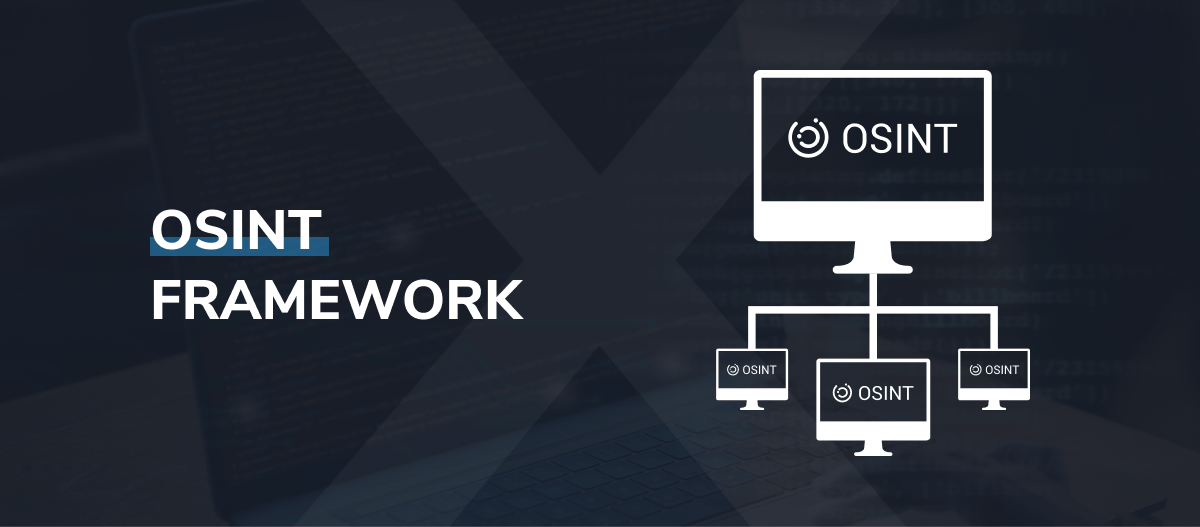
10. OSINT Framework – Information Gathering Toolkit
Ethical hacking starts with intelligence gathering. The OSINT (Open Source Intelligence) framework is a collection of tools to collect public information about emails, usernames, IPs, and domains.
Best Use Cases:
- Reconnaissance
- Social engineering awareness
- Digital footprint tracking
How to Start Practicing with Free Ethical Hacking Tools?
Before diving into these tools, remember:
- Always use them in legal, controlled environments like virtual machines or lab setups.
- Do not test on real networks or websites without written permission.
- Focus on learning—not attacking.
Many platforms like TryHackMe, Hack The Box, and VulnHub offer pre-built labs where you can safely experiment with these tools.
Want to Learn These Tools Professionally?
If you’re serious about learning free ethical hacking tools and turning your skills into a career, look no further than Cyber Defentech Institute—an EC-Council Official Partner offering industry-aligned cybersecurity training.
At Cyber Defentech, we cover real-world tools like Wireshark, Metasploit, and Nmap as part of our ethical hacking and penetration testing courses. Our instructors guide you with practical lab sessions, live examples, and career-focused mentorship. Whether you’re aiming for CEH, CND, or SOC Analyst roles, we’ve got a course tailored for your journey.
📞 Call us at : +91 8448046612
📧 Email: training@cyberdefentech.com
Final Thoughts: The Power of Free Ethical Hacking Tools
Mastering free ethical hacking tools isn’t just about clicking buttons—it’s about understanding how systems work, where they fail, and how to protect them. As cyber threats grow, ethical hackers are in high demand. With these tools in your digital toolkit, and the right guidance from platforms like Cyber Defentech, you can confidently begin your journey into the world of cybersecurity.
Remember, ethical hacking is not just a skill—it’s a mindset. Practice safely, stay curious, and never stop learning.
